Trip Journal
Mid December I solo traveled for 8 days throughout Austria, Slovakia, Hungary, and Slovenia. Here is how I broke up my trip...
Day 1:
I arrived in Vienna early on a Sunday morning. Since I couldn’t check into my accommodation until 2 p.m., I stored my luggage in a locker and set out to explore the city. I wandered through Naschmarkt, which was conveniently located near my hostel, then made my way past Hofburg Palace, Austria’s version of the White House. Along the way, I stopped by Palmenhaus, an overpriced but beautiful restaurant housed inside a massive greenhouse, and passed by the Albertina before ending up at St. Stephen’s Cathedral.
At the cathedral, I stumbled upon a Christmas market and enjoyed a bowl of goulash for lunch with a great view. One of my main goals for this Europe trip was to visit as many Christmas markets as possible, so I continued on to the Rathausplatz Christmas Market. Visiting during the day meant I could enjoy it before the crowds arrived.
Later, I spent some time shopping along Mariahilfer Straße. My favorite find was Vintage Fabrik, which was a clean, well-curated selection of vintage clothing. I came across a flea market which is held at Naschmarkt on Saturday’s from 6:30am-3pm. After a full day of walking and exploring, I headed back to my accommodation for an early night.
Day 2:
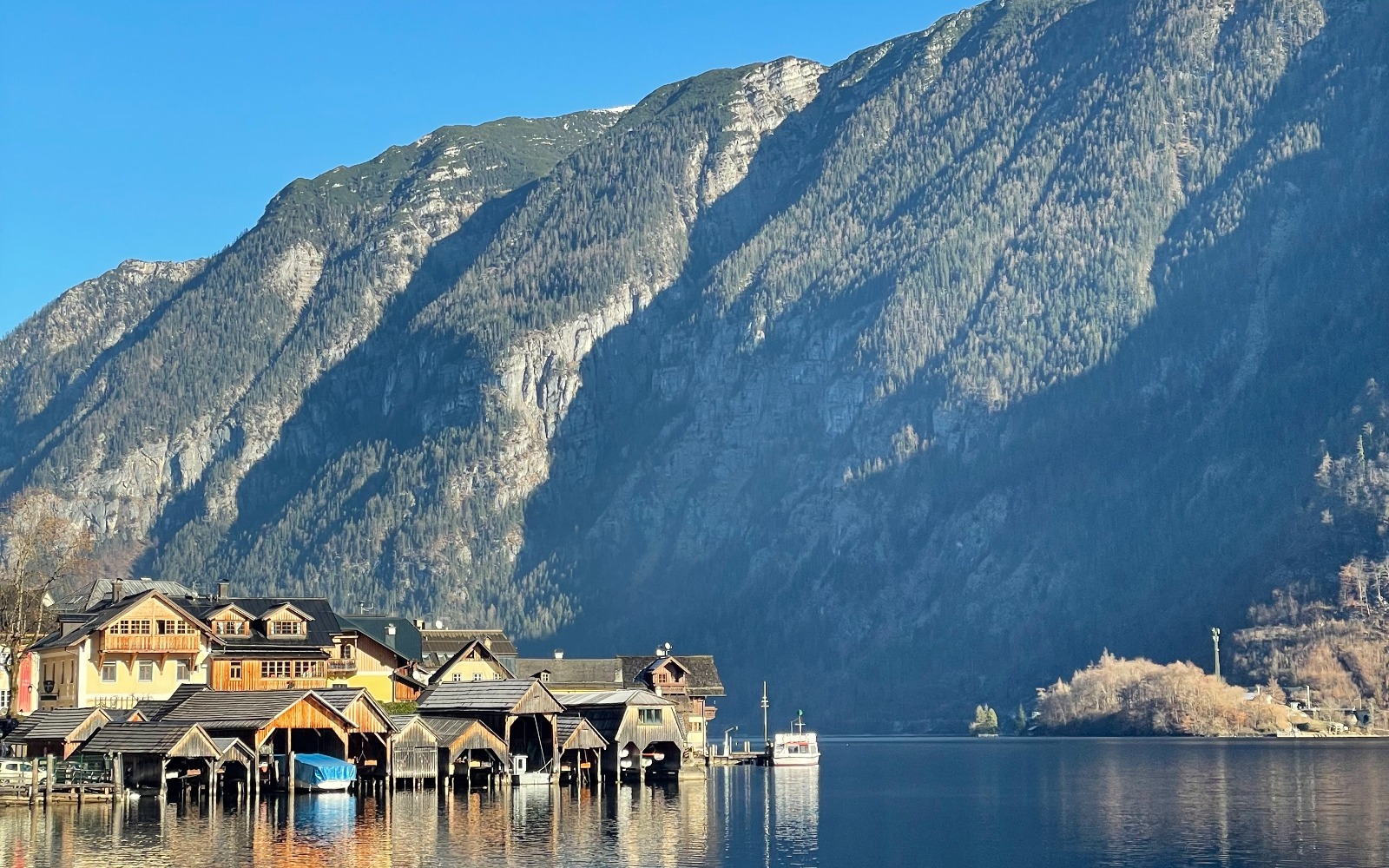
I headed out on a full-day trip to Hallstatt and Salzburg from Vienna. The 13-hour tour departed at 7 a.m. by bus, and our guide was friendly, knowledgeable, and provided clear instructions throughout the day. We spent about two hours exploring Hallstatt and three hours in Salzburg, which felt like enough time to see the highlights of each destination. If you're short on time, this is a great way to experience two very different Austrian towns in a single day.
Day 3:
I headed out for a quick breakfast before walking to one of Vienna’s most unique attractions, Hundertwasserhaus. Designed by Friedensreich Hundertwasser, the apartment complex is known for its colorful appearance, organic shapes, and integration of nature into the architecture.
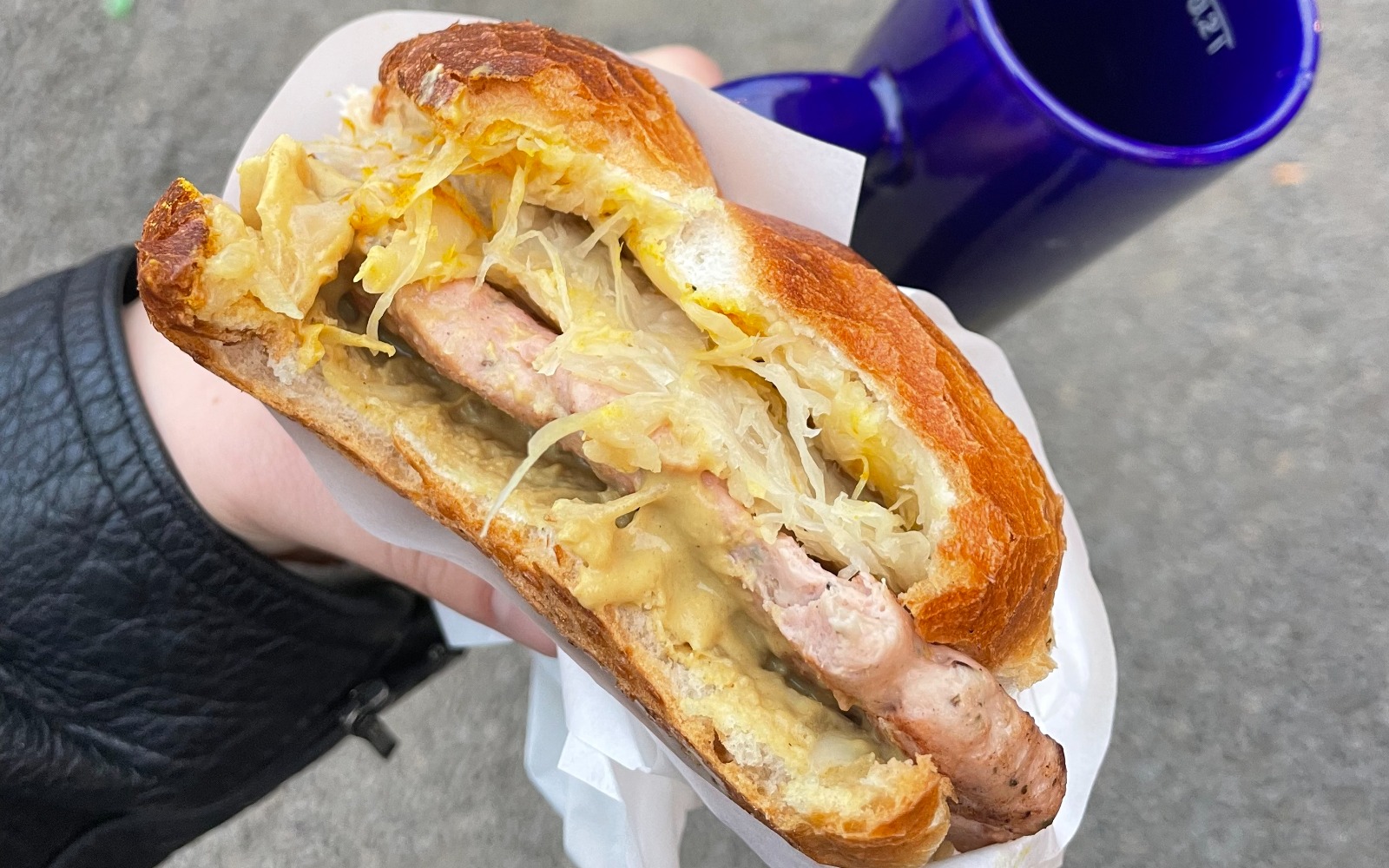
Afterward, I made my way back into the city center for my reservation at Figlmüller. Famous for its massive schnitzel, the restaurant lived up to the hype. I paired it with a glass of Grüner Veltliner before spending the afternoon browsing shops and several smaller Christmas markets around the city. The Am Hof market had an excellent Riesling, while the Freyung market featured one of the most impressive meat and sausage stands I saw during my trip.
Later in the day, I headed to Schönbrunn Palace for more Christmas festivities. Despite being one of Vienna’s most popular markets, it felt spacious enough to comfortably explore. The Käsekrainer, a cheese-filled Austrian sausage, was a standout, and the roasted chestnuts quickly became one of my new holiday favorites.
Day 4:
By 8 a.m., I was off on a day trip to two new capitals: Bratislava and Budapest. Our tour guide was originally from Slovakia and was living in Bratislava at the time, so we got plenty of local insight and history throughout the day. Our first stop was Bratislava Castle, where several Czech dignitaries happened to be visiting. From there, we headed down to explore the Old Town. The Christmas market in the main square had great food options, and for lunch we ate at our guide’s favorite restaurant near Devin Castle. I tried Bryndzové halušky, Slovakia’s national dish, made with small potato dumplings and sheep cheese.
In the afternoon, we continued on to Budapest. We visited several of the city's most famous landmarks, including the Parliament Building, the Shoes on the Danube Bank memorial, and Matthias Church. The Christmas market at St. Stephen’s Basilica was one of the highlights, and Fisherman’s Bastion offered incredible views across the Danube toward Parliament.
After a packed day of sightseeing across two countries, we were dropped off at our respective accommodations for the evening.
Day 5:
After doing some research, I knew I couldn’t leave Austria without trying Kaiserschmarrn, a shredded pancake traditionally served with fruit compote. I decided to wait in line at the famous pastry shop Demel, and it was well worth it. I recommend arriving before opening so you can be seated with the first group of guests. It was a great way to start the day.
From there, I made my way to Belvedere Palace, home to many works by Gustav Klimt, including his iconic painting, The Kiss. Later, I stopped at Gasthaus Pöschl for a bowl of Grießnockerlsuppe, a semolina dumpling soup that reminded me of matzo ball soup.
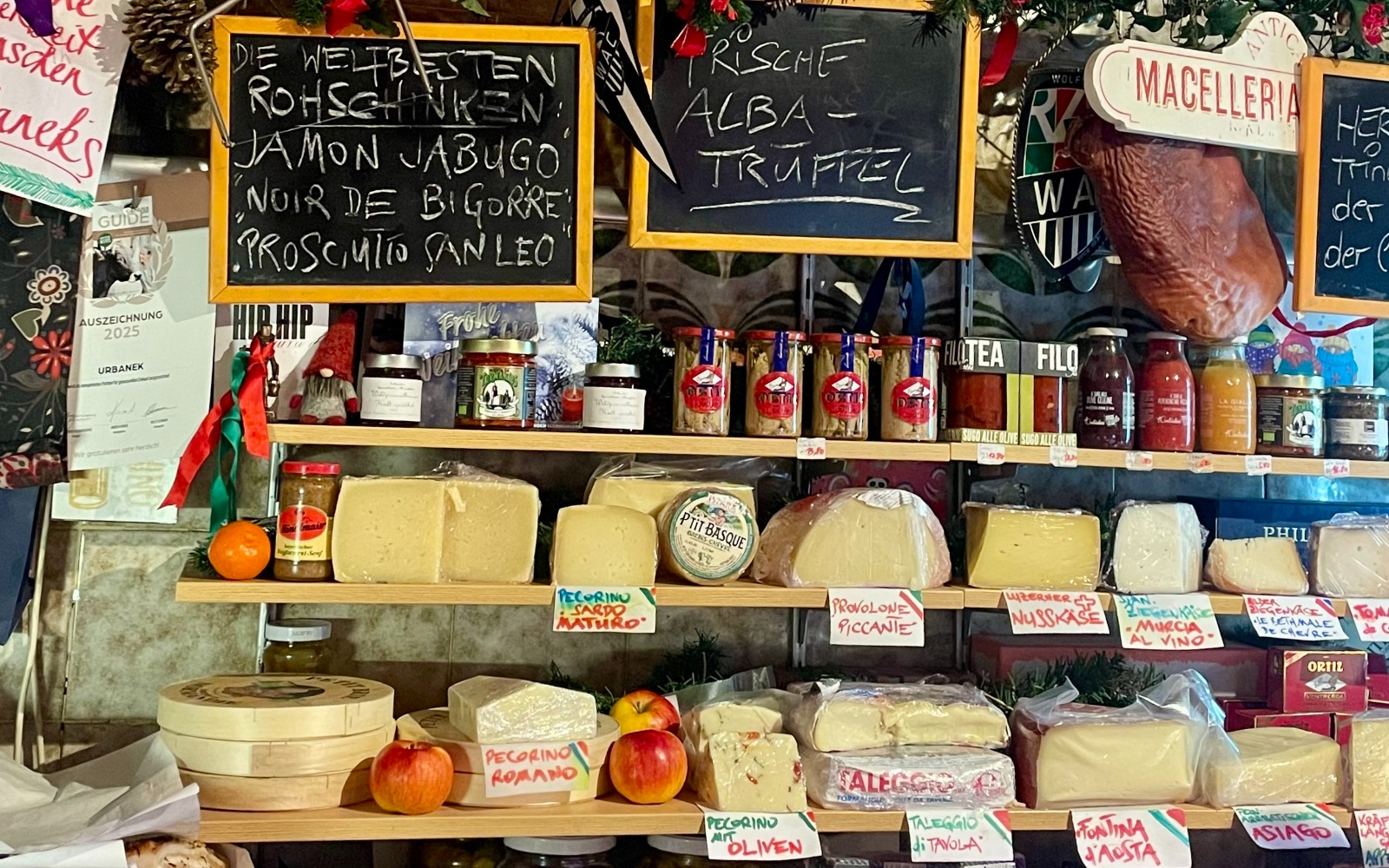
That evening, I visited my new favorite deli. Stocked with local products and specialties, it had a fantastic atmosphere. The staff created personalized charcuterie boards and paired them with local wines, making for one of the most memorable meals of my time in Vienna. I ended the night back at the Rathausplatz Christmas Market, to see the lights and bussing atmosphere.
Day 6:
I took a FlixBus to Ljubljana, the capital of Slovenia. After arriving, I explored both sides of the Ljubljanica River before heading to a locally recommended restaurant, Figovec, for dinner.
There is a stunning Christmas tree in Prešeren Square and during the holidays they seem to have stages set up for concerts. There was one being put on by a local radio station when I was there.
Day 7:
The next day, I joined a small-group tour to Postojna Caves, Predjama Castle, and Lake Bled. I originally went mainly for Predjama Castle, built into the side of a cliff, but the caves ended up being a wonderful surprise. The combination tour made it easy to see all three locations.
Postojna Caves were unlike anything I had seen before. Slovenia is known for its extensive cave systems, but the scale was still surprising. A short train ride takes you deep into the main cavern system, where you learn about the various formations along the way. On the way out, you can even visit the world’s only cave post office.
Predjama Castle itself was just as impressive from the outside, built dramatically into the mountainside with a fascinating history. Visitors can go inside and explore with a self-guided audio tour.
We then continued on to Lake Bled. Our first stop was a traditional pletna boat ride out to the island in the middle of the lake. From there, we visited Bled Castle, where you can sample honey, watch a replica of the Gutenberg Press in action, do a wine tasting, and try the famous Bled cream cake. It’s especially beautiful around sunset.
Day 8:
I started the day at Ljubljana’s Central Market, which on Wednesdays is filled with vendors selling produce, meats, pastries, and other local products. Right next door, I stopped at Moji Štruklji Slovenije to try štruklji, a traditional rolled dumpling that can be filled with a variety of sweet or savory ingredients. The restaurant offered plenty of options, making it a great place to sample the dish.
From there, I walked up to Ljubljana Castle and spent some time exploring the grounds. On a clear day, the views over the city are likely excellent. Afterward, I grabbed a quick Carniolan sausage from Klobasarna before making my way to Dvorni Bar.
As someone from the United States, I was excited to try Cviček, a unique Slovenian wine made from a blend of both red and white grapes. It’s not a style you come across often and was well worth trying. Dvorni also had an extensive selection of other local and international wines.
I ended the evening at Ljubljančanka, a restaurant recommended by my waiter at the wine bar, where I paired dinner with a Laško, one of Slovenia’s most popular beers.
I wrapped up the evening and headed to bed early to prepare for my flight the next morning.